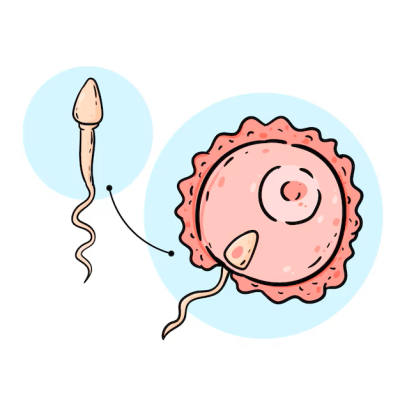
What is non-obstructive azoospermia?
An issue with sperm production results in non-obstructive azoospermia, a condition in which there are no sperm in the ejaculate.This isn’t the same as obstructive azoospermia, which is brought on by an obstruction in the reproductive system that prevents sperm from getting to the ejaculate.
What are the symptoms of non-obstructive azoospermia?
The most of men with NOA (non-obstructive azoospermia) may not even be aware they have a reproductive problem until they try to conceive as they don’t exhibit any symptoms or signs.
But other men might have symptoms like pain, swelling, or troubles urinating that are linked to their underlying reason. If you’re having any of these problems, it’s imperative that you consult your physician.
The primary symptom of non-obstructive azoospermia is azoospermia, or the absence of sperm in the semen when viewed under a microscope.
Testicular microlithiasis, a condition in which there are little, hard calcium lumps inside the testicles, and small, soft testes are two other possible symptoms.
What Causes of Non-Obstructive Azoospermia?
Numerous factors can lead to non-obstructive azoospermia, including:
- Genetic Causes:There are several inherited causes of male infertility, some of which can result in non-obstructive azoospermia. Y- Chromosomal micro deletions and karyotypic abnormalities are among them. Males with Klinefelter Syndrome, the most common karyotypic aberration, have an extra X-chromosome.
- Varicoceles:Possibly affecting sperm production are varicoceles, which are swollen varicose veins in the scrotum. Varicoceles-induced blood pooling in the scrotum is bad for sperm development.
- Medication: Medication exposure may potentially have an adverse effect on the production of sperm. As an example, the functioning of the reproductive system may be disrupted by supplementing with testosterone
- Hormonal Causes: The hormones released by the pituitary must cause the testicles to produce sperm. The absence or deficiency of these hormones prevents the production of sperm. Men who use or have taken steroids may have different hormone requirements for the generation of sperm.
- Radiations and Toxins: Harmful chemical exposure, such as that brought on by chemotherapy and radiation therapy, might hinder the development of sperm. Sperm banking is therefore recommended prior to chemotherapy or radiation treatment.
How is Non-Obstructive Azoospermia diagnosed?
The most typical signs of erectile dysfunction include trouble achieving and maintaining an erection during sexual activity. Other ED-related sexual problems include:
- Medical History: The doctor will look into the patient’s medical history to identify any past surgeries, illnesses, or genetic issues that may have led to the patient’s infertility.
- Physical Examination: A physical examination is intended for the detection of some forms of hormone imbalances or abnormalities in the testes or other causes for the condition of non – obstructive azoospermia.
- Semen Analysis: A semen sample would be taken and checked on whether there is the absence or presence of sperms. This test makes distinction easy between obstructive and non obstructive azoospermia.
- Hormone Testing: Hormone testing can be performed on blood samples to determine the levels of hormones such as testosterone, follicle-stimulating hormone (FSH), luteinizing hormone (LH), and others. The underlying cause of non-obstructive azoospermia may be revealed by unbalanced hormone levels.
- Genetic Testing: Genetic testing can identify chromosome abnormalities and genetic disorders associated with decreased sperm production.
- Testicular Biopsy: In some situations, a testicular biopsy may be recommended. A small tissue sample is removed from the testis in order to examine sperm production and determine the specific cause of non-obstructive azoospermia.
What are the treatment options are available for non-obstructive azoospermia?
The treatment of non-obstructive azoospermia is achievable, but the results will depend on the underlying cause and other particular factors. There are several approaches to treat non-obstructive azoospermia, such as:
i) Hormone treatment
When one of the conditions contributing factors is irregularities in hormones. To boost sperm production and return hormone levels to normal, doctors may prescribe hormone replacement therapy or medications.
ii) Surgical Procedures
The following surgical methods can be used to remove sperm from the testicles:
- TESE stands for testicular sperm extraction, and micro: TESE is also known as micro dissection TESE. Utilising assisted reproductive procedures such as Intracytoplasmic sperm injection (ICSI), these recovered sperm can be used in In vitro fertilisation (IVF).
- Assisted Reproductive Techniques (ART): Depending on the severity of non-obstructive azoospermia, pregnancies can be obtained with ART treatments such Intracytoplasmic chosen sperm injection (IMSI) or in vitro fertilisation (IVF) with ICSI. These methods can employ extracted sperm from the testicles.
- Donor sperm: An alternative form of conception could be donor sperm insemination or in vitro fertilisation (IVF). In the event that alternative therapies don’t work or don’t work well.
What is the prevention of non-obstructive azoospermia?
The genetic disorders that lead to azoospermia non-obstructive azoospermia are unknown to be preventable. Following these steps can help reduce the likelihood of azoospermia if it is not caused by a genetic condition:
- Stay away from activities that could harm your reproductive system or wear protective gear (e.g., a cup while playing baseball).
- When at all possible, stay out of the radiation.
- Be aware of the advantages and disadvantages of any drugs that can impair sperm development.
- Refrain from subjecting your testicles to prolonged heat.
What is the prognosis for people who have non-obstructive azoospermia?
Depending on the underlying the cause, non-obstructive azoospermia patients may have a wide range of prognoses. Even if it’s usually accepted that the illness may have an impact on fertility, there are a few things to take into account:
- Severity of NOA: The prognosis may vary depending on how much sperm production is impaired.
- Underlying causes Hormonal imbalance or genetic disorders can lead to different implications.
- Treatment choices: A person’s chances of becoming a father may be affected by the effectiveness and accessibility of treatment options.
Can lifestyle changes improve sperm production in non-obstructive azoospermia?
Yes, in certain instances of non-obstructive azoospermia (NOA), alterations in lifestyle can have a favorable effect on sperm production. They might not be a panacea, but they can enhance general health and possibly increase the number or quality of sperm.
The following lifestyle adjustments could be useful:
- Weight control
- Well-balanced diet
- Regular physical exercise
- Stress management
- Limit your use of tobacco and alcohol
- Avoid excessive heat
Are there genetic factors associated with non-obstructive azoospermia?
Yes, non-obstructive azoospermia (NOA) is linked to genetic factors. Several genetic factors have been recognised, although the precise genetic causes may differ:
- Chromosome abnormalities: Y – chromosome micro deletions and Klinefelter syndrome (XXY) are two prevalent hereditary causes of non-occlusive arthritis (NOA).
- Gene mutations: NOA can also result from mutations in sperm-producing genes, such as the Y chromosome genes AZFc, AZFb, and AZFa.
- Polygenic inheritance: A number of different genetic variables may occasionally work together to induce NOA.
Is it still possible for men with NOA to be fathers?
Men with NOA were unable to become parents until the development of mTESE, Intracytoplasmic sperm injection (ISCI), and in vitro fertilisation (IVF). A single sperm is injected into a single egg. These days, a lot of men with NOA can become fathers because to these technologies.
Why choose Tender Palm IVF & Fertility Center for Non-Obstructive Azoospermia Treatment in Lucknow, India?
Tender Palm IVF & Fertility Center offers the best non-obstructive azoospermia treatment in Lucknow, India. We have an experienced team of fertility specialists and andrologists who use modern technology to diagnose and treat complex male infertility conditions such as non-obstructive azoospermia in Lucknow, India. Our team follows international safety standards and has years of experience treating male infertility. We provide accurate evaluation of underlying causes, personalized treatment plans, and minimally invasive procedures with high success rates at an affordable cost. At Tender Palm IVF & Fertility Center, we ensure safe, effective, and result-oriented treatment for male infertility in Lucknow, India.