What is Ovulation?
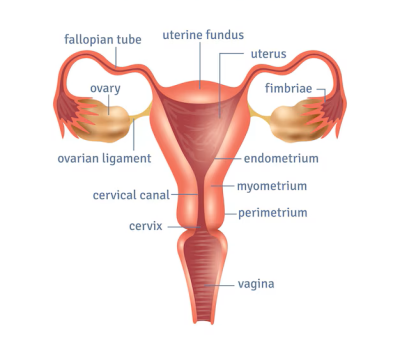
It is the process through which an egg is released from an ovary. The released egg is liable to be fertilized for about 12 to 24 hours. After a sexual encounter, sperm can remain in the female reproductive system for three to five days. When sperm are present in the fallopian tubes around the time of ovulation that is usually the best time to conceive.
What are the sign & symptoms of ovulation and Poor Egg Quality?
Other signals from the female reproductive system include those that show ovulation and poor Egg Quality. These include:
- Change in the cervical mucus to resemble an egg white
- Mild rise in body temperature and body pains
- One may also experience:
- Bloating and sore breasts that make the increased sexual desire difficult to recognize.
- Painful breasts abdominal cramps
- Spotting
- Higher libido or sex drive
Why Ovulation and egg quality is important for fertility?
Fertility depends on ovulation and egg quality getting pregnant is possible on the day of ovulation and in the five days prior to it, the likelihood of getting pregnant is higher on the three days that precede and after ovulation. After being released, the egg can survive for a whole day. You could conceive if the sperm reaches the egg during this time.
What Leads to Issues with Ovulation and poor quality of Eggs?
Ultimately, figuring out what’s causing ovulation issues and poor quality of eggs is crucial to treat them. Most common factors that often interfere with this includes:
- Polycystic ovary syndrome (PCOS): PCOS, a condition characterized by too many male hormones, stands as the leading reason for female infertility. Its signs include extra hair growth, weight increase, pimples, and ovarian cysts.
- Issues with the hypothalamus: The hypothalamus, a brain region, helps control the pituitary gland. This gland makes hormones to trigger ovulation. When the hypothalamus doesn’t work right, it can disrupt the production of these hormones.
- Luteal phase defect: This happens when the endometrium, the uterus lining, doesn’t grow.
- Too much prolactin: The body reduces the production of oestrogen if the pituitary gland releases too much prolactin. This can lead to ovulation problems and make it hard to get pregnant.
- Tumors: Growths on the ovaries or pituitary glands can cause ovulation difficulties.
Fortunately, doctors can treat most ovulation problems, thereby restorating fertility. However, that the problem of a couple not being able to get pregnant may not be due to ovulation problems alone, and they may need further treatment in order to have increased chances of having a baby.
What causes irregular ovulation and poor egg quality?
There are some causes of irregular ovulation:
- Imbalances in hormones: Since ovulation is regulated by hormones, an imbalance can cause it to occur.
- Age: Egg quality inherently decreases with a woman’s age.
- Diseases: A number of illnesses, including endometriosis, PCOS, and thyroid issues, can influence ovulation and the quality of eggs.
- Lifestyle: Stress, poor nutrition, smoking, and binge drinking can all have an effect on fertility.
- Overweight
- Minimal body weight
- Syndrome of polycystic ovary (PCOS)
- Severe exercise
- Excessively elevated stress levels
- An excess of prolactin
- Low ovarian reserves or perimenopause
- Early loss of ovarian function
- Hyperthyroidism (thyroid malfunction)
What are the tests used to diagnose ovulation problems?
It is frequently important to determine whether a person is ovulating since a number of issues might interfere with or prevent ovulation, leading to infertility. The basal body temperature (BBT) chart, transvaginal ultrasound, endometrial biopsy, urine test kits to assess LH levels, and blood tests to evaluate hormone levels are some of the methods available for detecting ovulation. The viable window between cycles can be estimated using numerous phone apps, yet these tools cannot conclusively determine whether ovulation took place
- Urine Test Kits: These are ovulation predictor kits available in almost all drug stores. The urine strip tests for the surge in the LH hormone. Testing normally starts two days before ovulation is expected. In 28-day cycles, this would be days 13-15. In irregular cycles, then based on the earliest days, testing should be done. Five days gives an 80% chance of detecting ovulation while 10 days give a 95% chance. Occasionally, ovulation may not occur in consecutive cycles, indicating an ovulatory problem.
- Transvaginal Ultrasound: Ultrasound measures follicular growth using sound waves. It’s painless and usually done with a probe in the vagina. The follicle increases in size as the egg develops. Ultrasound can help timing intercourse or insemination, and can be performed on multiple days during the menstrual cycle.
- Blood tests to measure hormone levels: Elevated progesterone levels are linked to ovulation, and blood tests can predict the follicle’s maturity and readiness for ovulation by measuring LH levels before the anticipated menstrual period.
- Basal Body Temperature Chart: This monitors changes in the menstrual cycle phases and ovulation. The woman’s temperature is low during the time of the follicular phase of the cycle. Production of progesterone, therefore, begins at ovulation, and with that, there is an increase in temperature. BBT charts confirm whether ovulation has occurred or not but cannot confirm fertile days like cervical mucus changes.
Although this can sometimes be time-consuming and tiring to seek to find out whether one is ovulating or not, it often is necessary to conceive. You and your doctor can discuss and decide upon the best method of ovulation detection for you. If the tests indicate that one is not ovulating, then there are various treatments available to correct the problem and increase the chances of a successful pregnancy.
Does stress impact ovulation?
Certainly, high levels of stress can cause irregular menstrual cycles and can adversely affect ovulation. Although it is common to experience stress, learning to handle it may promote overall health and fertility.
How does changing your lifestyle help improve ovulation?
Leading a healthy lifestyle can influence both the quality of eggs as well as how they are released:
- Maintain a healthy weight: Due to the fact that body mass imbalance disrupts ovulation.
- Daily exercise: This has been observed to encourage the liberation of egg from ovary and for good health reasons.
- Good nutrition: Nutrient-rich foods are good for egg quality.
- Minimize stress: Long term stress may cause slowed down period or even complete stoppage in extreme cases.
- Stop smoking and drinking: Both things are also linked to poor eggs’ condition.
What role does age play in egg quality and ovulation?
The age of a woman greatly impacts her eggs. Both the number and the quality of her eggs decrease with progressing age. Hence it is easy to see why we lose fertility naturally as we get older.
How does ovulation alongside that of eggs’ quality influence ability to conceive?
Irregularities in ovulation can stop an ovum from being released hence no fertilization occurs; while low grades on a certain bad eggs’ standards bring about early spontaneous abortions.
Based on the underlying cause, several therapies might be effective:
- Fertility medications can induce ovulation in women suffering from ovulatory issues.
- Some hormone replacement therapies may help to correct imbalances in hormones affecting normal menstruation.
- To circumvent ovulatory problems, in vitro fertilization (IVF) can be done through the laboratory fertilization of the child.
- Women who have low-quality eggs may decide to get their eggs from other females.
Therefore, it is important to seek medical attention for proper evaluation and treatment options.
Why Tender Palm IVF & Fertility Center for Ovulation Problems Treatment in Lucknow, India?
Tender Palm IVF & Fertility Center offers the best ovulation problems and quality of egg treatment in Lucknow, India. We have an experienced team of fertility specialists and gynaecologists who use modern technology to diagnose and treat female fertility conditions such as ovulation problems and quality of egg. Our team follows international safety standards and has years of experience treating female infertility. We provide accurate evaluation of underlying causes, personalized treatment plans, and advanced reproductive techniques with high success rates at an affordable cost. At Tender Palm IVF & Fertility Center, we ensure safe, effective, and result-oriented treatment for female infertility in Lucknow, India.