What is Klinefelter Syndrome?
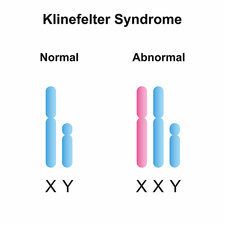
When a boy is born with a third X chromosome, he has a genetic condition called Klinefelter syndrome. The disease is often called XXY syndrome because these boys have an extra X chromosome, making the chromosome pair XXY instead of XY, which is genetically what a boy has.
Most men who have Klinefelter syndrome are unaware of their condition until they experience difficulties in conceiving. Though treatable, there is no cure for it.
Klinefelter syndrome varies in its severity of symptoms. Some people will have several while others will have few or no symptoms. Symptoms can be broadly categorized as neurological, or physical symptoms.
What are Physical Klinefelter syndrome symptoms?
Klinefelter syndrome physical symptoms impact your body’s functioning. These signs could consist of:
- A smaller penis.
- Undescended testes
- Abnormal body proportions, for instance, having a short trunk but a long leg or being excessively tall.
- Flat feet.
- Radioulnar synostosis (it is the term used when the two main bones in your forearm connect abnormally).
- Coordination problems.
- Testicular failure (underproduction of sperm or testosterone).
- Gynaecomastia, or breast tissue enlargement, in adolescence or adulthood.
- Increased risk of blood clots.
- Osteopenia or osteoporosis, weakened bones or increased risk of fractures in adults.
Infertility, or the inability to produce sperm, is another common symptom of Klinefelter syndrome. You should see a reproductive specialist if you are diagnosed with Klinefelter, ideally before starting testosterone treatment. If your provider finds sperm, they may be able to collect and freeze it for use if you ever want to have biological children. They can counsel you on the potential for fertility preservation.
Neurological signs of Klinefelter syndrome
Behavior problems, learning disabilities, and mental health disorders are some of the neurological symptoms. Among these signs may include;
- Depression
- Fear
- Behavioral, emotional, or social issues.
- Impulsive behaviors.
- Learning disabilities, which may include; language and reading difficulties.
- ADHD (a short term that stands for attention-deficit/hyperactivity disorder).
- Speech delays
- Autism spectrum disorder.
What causes Klinefelter Syndrome?
It is the mutation in the genes of an individual that makes his genetic code extra X-chromosome causing Klinefelter syndrome. It appears before a baby is born. It may result in many different ways:
- The sperm contains another X-chromosome.
- An extra X chromosome is carried in an egg.
- Cells do not divide correctly during early fetal development. This mosaic is what doctors call Klinefelter syndrome. It occurs when you have an extra X chromosome in some, but not all, of your cells.
How does Klinefelter Syndrome affect fertility in males?
In men, Klinefelter Syndrome dramatically reduces male fertility because of low sperm production and persistent hormonal imbalance due to atrophy and fibrosis. The additional X chromosome influences testicular development, resulting in small testes and abnormal spermatogenesis. In the case of men, low testosterone might decrease fertility further and influence the functioning sexually. Low testosterone levels are also linked with physical changes like decreased muscle mass and increased size of breast tissue. Testicular sperm extraction and intracytoplasmic sperm injection are assisted reproductive techniques that have allowed them to father biological children. In terms of pregnancy planning, reproductive choices should be made on the basis of proper genetic counseling.
What are the complications of Klinefelter syndrome?
The following metabolic syndromes are more common in people with Klinefelter syndrome:
- Overweight (body mass index > 30)
- High blood pressure, known as hypertension
- Type 2 diabetes
- Elevated cholesterol
- Increased levels of triglycerides (a kind of blood fat)
Increased levels of triglycerides (a kind of blood fat)
- Breast enlargement.
- Breast Cancer
- Schudders
- Fragility of the skeletal system or lessening of bone density
- Fragility of the skeletal system or lessening of bone density
- Disorders related to seizures
- Variations in capacity to learn—especially in language skill
How is Klinefelter Syndrome diagnosed?
Medical providers may diagnose Klinefelter syndrome during:
- Breast enlargement.
- Breast Cancer
- Schudders
- Fragility of the skeletal system or lessening of bone density
- Fragility of the skeletal system or lessening of bone density
- Disorders related to seizures
- Variations in capacity to learn—especially in language skill
How is Klinefelter Syndrome diagnosed?
Medical providers may diagnose Klinefelter syndrome during:
- Development of the fetus Few fetuses are tested for klinefelter syndrome by providers. If the condition is identified, it often happens when a provider does other genetic testing, such as amniocentesis or chorionic villus sampling.
- Youthfulness or adolescence If a provider notices abnormal growth or development (associated with puberty) during these years, they may recommend testing.
- Adulthood: If you are having trouble conceiving with your partner or have low testosterone, your doctor may test for klinefelter.
People with the mildest forms of Klinefelter syndrome, which don’t cause any symptoms, may never know they have it. For others, doctors only know about it during testing for infertility.
Which tests are useful in the diagnosis of Klinefelter syndrome?
The purpose of the testing is to detect and identify the extra X chromosome. The most common way to do this is with a karyotype test, which is a blood test that conveys the number and type of chromosomes to your provider. Karyotyping is a tool that healthcare providers can use on adults, children, and even unborn fetuses.
Neuropsychological testing is advised by medical professionals for kids with Klinefelter syndrome. The ideal time to test them is during the diagnosis process and then again every few years. This can help provide insight into any learning disabilities so that educators may be able to work with your child to maximize their academic potential.
How is Klinefelter syndrome treated by medical professionals?
Remember that treatment of Klinefelter can be started at any time but the sooner its better.
One treatment option is therapy which includes testosterone replacement. Puberty may be the beginning of it, and it may cause normal physical changes like facial hair and a deeper voice. Testicle size and fertility are unaffected, although it can help in stronger muscles and bones and increase penis size.
Some of the long-term issues associated with Klinefelter can be avoided throughout your life with testosterone replacement treatment.
Among the other therapies are:
- Counseling and therapy for mental health issues.
- Fertility treatment (including, in certain situations, conceiving a kid with your own sperm).
- Physical treatment and occupational therapy to improve muscular growth and coordination.
- Breast reduction by plastic surgery.
- Children’s speech therapy.
- Disorders related to seizures
- Assistance in the classroom for social skills and learning disabilities.
If your child has Klinefelter, the following resources could be useful:
- Participating in sports helps build muscle.
- Participation in group exercise that enhances social skills.
Can Klinefelter syndrome be prevented?
Because Klinefelter syndrome is caused by an arbitrary alteration in your genetic code that occurs before birth, it cannot be prevented. Your child cannot inherit this condition from you. Furthermore, a parent cannot prevent their child from experiencing Klinefelter syndrome.
If I have Klinefelter syndrome, what should I expect?
Klinefelter patients can lead happy, healthy lives with treatment. Some people can now become fathers because of advancements in fertility treatments. Life expectancy is typical in most cases. Because of other health issues connected to Klinefelter, some study suggests that men with the syndrome may live one or two years less than those without it.
When to see a doctor?
Alternatively, if parents do notice any physical issues or delayed development in their kid, then they should contemplate booking an appointment with a pediatric gynaecologist. Any new or evolving symptoms should also be reported by adults affected with Klinefelter syndrome to their healthcare provider and treated as they would in the general population. Routine exams are necessary because they have increased susceptibility to some health problems.
Why Tender Palm IVF & Fertility Center for Klinefelter Syndrome Treatment in Lucknow, India?
Tender Palm IVF & Fertility Center offers the best Klinefelter’s syndrome management treatment in Lucknow, India. We have an experienced team of fertility specialists and geneticists who use modern technology to diagnose and treat male infertility conditions conditions such as Klinefelter’s syndrome. Our team follows international safety standards and has years of experience treating male infertility. We provide accurate evaluation of underlying causes, personalized treatment plans, and minimally invasive procedures with high success rates at an affordable cost. At Tender Palm IVF & Fertility Center, we ensure safe, effective, and result-oriented treatment for male infertility in Lucknow, India.