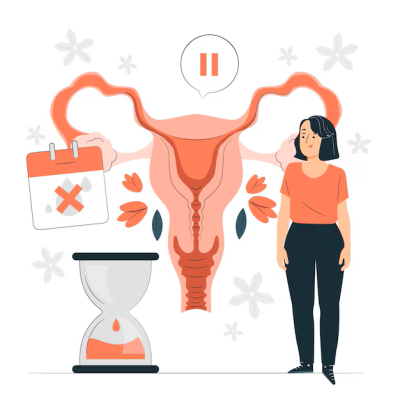
What is uterine factor infertility?
The term “uterine factor infertility” refers to uterine anomalies associated with infertility.
A person with uterine factor infertility is unable to conceive because their uterus is either non-existent or not working properly. This may be acquired or congenital, meaning it is a condition you are born with.
Which uterine factors may cause infertility in women?
The uterus or womb is one of the essential parts of fertility and pregnancy. In case of abnormalities in its structure or function, this may affect a woman’s capacity to become pregnant or take a pregnancy to full term. Some common uterine factors that may impact fertility are as follows:
Congenital or Anatomical Abnormalities
Congenital uterine abnormalities are uterine defects in structure that exist from the first day of birth. The malformations may arise from aberrant Müllerian duct development in the developing foetus. The MÜllerian ducts develop into the uterus, oviducts, and the upper part of the vaginal canal and thus constitute the female reproductive system.
Common uterine anomalies that are congenital include:
- Septum: The uterus is divided into two chambers by its thin tissue wall, which may hinder the growth and implantation of the foetus.
- Unicornuate uterus: One horned uterus instead of the typical two. This may restrict a developing fetus’s room.
- Bicornuate uterus: This type of uterus has two horns that are partially joined. Foetal growth and implantation may potentially be impacted by this.
- Didelphys uterus: When the division of the uterus is complete and there are two distinct horns, each with its own cervix, the anomaly is called didelphys uterus. This can make pregnancy difficult to carry to term.
Asherman’s Syndrome: Asherman’s syndrome usually results from uterine surgery, infection, or even childbirth when scar tissue builds up inside the uterus. The scar tissue can constrict or block the uterine cavity, preventing a fertilized egg from implanting.
Adenomyosis: A disorder known as adenomyosis occurs when endometrial tissue develops into the uterine muscle wall. Infertility, pain, and excessive bleeding may result from this.
What symptoms or indicators correspond with infertility caused by uterine factors?
The reason affects the symptoms differently. A common sign is that some people never experience a menstrual cycle. In some times, a person reports feeling pressure or experiencing pelvic pain.
What is the uterine factor that causes infertility?
The causes of uterine factor infertility include not having a functioning uterus at birth, having uterine removal surgery, or having another condition that makes conceiving more difficult.
- Not having a uterus at birth: A rare congenital condition known as Mayer-Rokitansky-Küster-Hauser syndrome (MRKH) results in the underdevelopment or absence of the uterus and vagina. Ovaries continue to function despite indicators of the menstrual cycle and mood swings. Pregnancy is still feasible even though MRKH diagnoses usually happen in adolescence.
- The procedure for a hysterectomy: One may need to have first undergone a hysterectomy due to such reasons as:
- Hemorrhage: You may require a hysterectomy done in an emergency, primarily when you have lost a lot of blood. A surgery like a C-section or any other kind of surgery may face the same, although it is doubtful.
- Uterine cancer: The diagnosis of cancer may lead to the removal of a uterus as the cancer cells present will have no chance to travel to other body organs.
- Symptoms: Symptoms of severe endometriosis, uterine fibroids, or adenomyosis: It might include heavy bleeding, bowel and bladder problems, and pelvic pain. Many non-hysterectomy treatments are available for these disorders. However, a person may require a hysterectomy to address their symptoms in extreme circumstances or if those treatments are ineffective.
Can someone with uterine factor infertility become pregnant?
Though often linked to increased risks of miscarriage, breech babies, early delivery, and other complications, several forms of uterine factor infertility are not absolute, meaning that pregnancy is still conceivable.
The kind of malformation that has developed may affect the overall possibility of conception and the danger of becoming pregnant. Pregnancy in a uterus with malformations must be adequately monitored. Individuals with a unicornuate uterus, for example, are more likely to experience ectopic pregnancy, while those with a septate (split) uterus are more likely to undergo early abortions.
How is uterine factor infertility diagnosed?
Most commonly, a doctor diagnoses congenital uterine factor infertility in one’s teenage years—before a girl has her first menstrual cycle. While assessing your reproductive system, an ultrasound will primarily be used. If necessary, an MRI can be ordered by your doctor to see if your uterus has not developed at all or if it is abnormally small. A pelvic exam may be conducted in the surgery room or in the doctor’s office.
Your doctor will review your medical history if you have developed uterine factor infertility.
How is infertility caused by the uterine factor treated?
Since uterine factor infertility is a broad term that covers a variety of situations that may result in an inability to conceive or carry a pregnancy to term, fertility doctors must evaluate each case individually to determine the precise cause before recommending surgery or assisted reproductive technology (IVF).
Surgery can often treat structural irregularities such as fibroids and polyps. Surgery can sometimes heal the scars; at other times, it cannot. To minimize risk, single-embryo transfers are recommended for cases of uterine factor infertility who opt for IVF.
Absolute uterine factor infertility was the only condition for which until recently gestational surrogacy had been the only option. Very recently, 17 cases of uterine transplant have been reported, making uterine transplantation a potentially more common surgical procedure.
Can Infertility caused by uterine factors be prevented?
It is impossible to screen for or prevent congenital uterine factor infertility in pregnancy. Discussions with your medical team about the future delivery and options available to you—the risks and rewards—will stop it. It may not be possible to weigh advantages versus disadvantages when life is at stake.
Is uterine factor infertility curable?
It depends upon the reason. When it comes to your prognosis, your healthcare practitioner is the greatest guide to discuss it.
What questions should I ask my healthcare provider about uterine factor infertility?
You may have a lot of questions if you, as a young adult, find out that you are without a uterus. Here are some things you may want to ask your healthcare provider:
- Is there still a possibility that I can become pregnant?
- When will my period come?
- What is the impact on other body parts due to the absence of the uterus?
In most cases, patients scheduled for hysterectomy are well aware that removal of the uterus will mean loss of childbearing ability. However, where the nature of the treatment is an emergency, this may still cause surprise.
Why Tender Palm IVF & Fertility Center for Uterine Factors Infertility Treatment in Lucknow, India?
Tender Palm IVF & Fertility Center offers best Uterine Factors Infertility Treatment in Lucknow, India. Our fertility experts use advanced diagnostics like 3D ultrasound, hysteroscopy, and MRI to accurately assess uterine health. We provide individualized treatment plans, including minimally invasive surgeries and assisted reproductive techniques, to improve implantation and pregnancy success. With a compassionate team, cutting-edge technology, and high success rates, we ensure the best possible outcomes for women facing uterine infertility challenges.