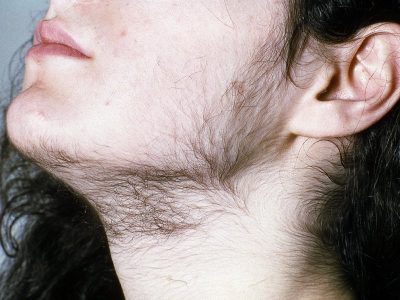
What is Hirsutism?
An excessive amount of hair growing on specific areas of your body is called hirsutism. People are assigned to the female gender at birth, and women are the principal victims. Polycystic ovarian syndrome is one of the disorders that might induce hirsutism; however, its exact etiology is unknown. Losing weight, using medicine, and using other hair removal methods are all possible treatments.
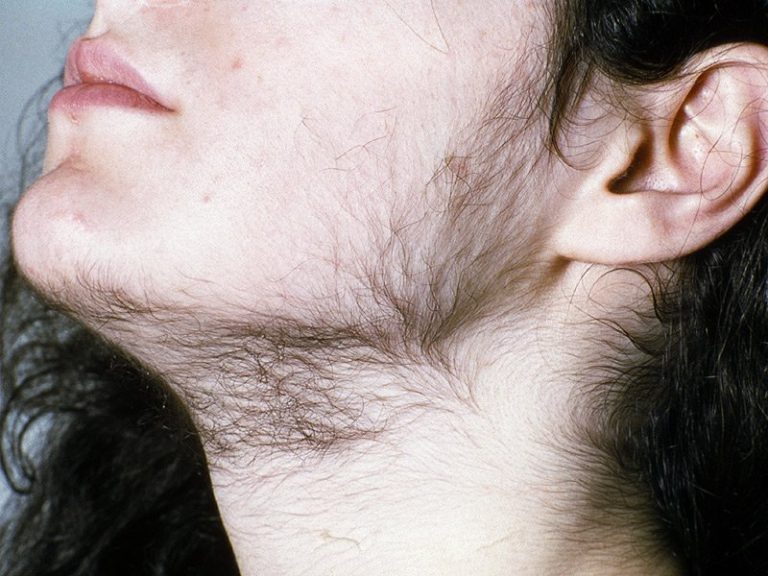
What are the symptoms of hirsutism?
Depending on the underlying reason, hirsutism’s symptoms and signs can include:
- Sudden changes in the colour, thickness, growth rate, or distribution of hair.
- Abundant body hair on the face, back, abdomen, inner thighs, and buttocks—areas traditionally associated with men.
What are other signs and symptoms ?
- Scalp hair loss
- Various skin disorders, such as seborrhoea or acne
- Formation of warts in superficial folds (acanthosis nigricans)
- The inexplicable rise in sexual desire
- Traits associated with men, including a deeper voice or extra muscle mass
- Missing or erratic menstrual cycles
- Elevated insulin levels
- Inability to conceive.
What are the causes of hirsutism?
If hirsutism is an issue for you, consult your doctor. It can be caused by medical problems which can be treated. This is an ovarian issue that can also result in symptoms like irregular cycles and acne.
Additionally, there may not always be a clear cause. In rare cases, hirsutism may result from:
- Certain medications
- Using steroids for anabolism
- Other hormonal disorders, such as acromegaly and Cushing’s syndrome
- A tumor influencing your hormonal balance
If you have lighter, finer hair on your body or face, it’s most likely not hirsutism. As women age, especially after menopause, they tend to have more of this kind of hair.
How is hirsutism diagnosed?
Depending on the underlying reason, hirsutism’s symptoms and signs can include:
- Past medical history
- The physical examination
- Particular inquiries, such as whether hairiness appeared gradually or suddenly
- Evaluation of body hair using a uniform scoring system
Your doctor may conduct several tests to determine whether you have hirsutism, such as:
- Hormone levels can be checked via blood testing.
- Uterine and ovarian ultrasound examination.
- X-rays to assess your adrenal glands and ovaries and rule out other diseases.
- Thyroid function tests
- Various scans to screen for tumors secreting androgen.
What are the treatment options for hirsutism?
The underlying cause will determine management and treatment. You might need to see a gynaecologist and an endocrinologist in addition to your primary care physician because they specialize in treating hormone issues.
Options for treatment could be:
- Medications that block the effects of androgens
- Anti-androgen medications that lower your body’s ability to produce androgens
- Medicines that assist in preventing the ovaries from producing androgens, such as the oral contraceptive pill
- Insulin treatments, should hyperinsulinemia be identified
- For women in need of contraception and assistance with menstrual cycle management
- Surgical excision of an adrenal or ovarian tumor combined with a six-month oral contraceptive pill regimen can considerably reduce unwanted hair growth.
By doing the following, you may take care of yourself at home:
- If you believe that the adverse effects you’re experiencing are related to the medication you’re taking, consult your doctor. Among the negative effects of anti-androgen medications are weight gain, tiredness, and distress. Your doctor may change your prescription or the amount you take. Your doctor may change the drug you take or the dosage.
- Medical treatment cannot eliminate unwanted hair; you will need a cosmetic approach, such as laser therapy, electrolysis, depilatory creams, or waxing, to get rid of the hair.
- If you want to inhibit hair growth, you may want to try a prescription lotion. Remember that the cream requires frequent use and may take up to two months to become effective. Two out of every three women report that the cream is ineffective.
- Losing weight can naturally lower the amount of androgens your body generates, which may be helpful if PCOS is the underlying cause of hirsutism.
- Patience is a virtue during treatment. Maximum effects could take up to four years, and observable results might take up to a year. Consult your physician for further details.
Is hirsutism preventable?
Yes, depending on its cause, you can lower your chance of having hirsutism by losing weight through a balanced diet and consistent exercise. It can help lower your risk if you have PCOS.
See your doctor about ways to lower your risk of developing hirsutism if you take any medications that may contribute to the condition.
When should you visit a doctor?
If you believe that the adverse effects you’re experiencing are related to your medicine, consult your doctor. Among the negative effects of anti-androgen medications are fatigue, depression, and weight gain. Your doctor may change the drug you take or the dosage.
Why choose Tender Palm IVF & Fertility Center for Hirsutism Treatment in Lucknow, India?
Tender Palm IVF & Fertility Center offers the best hirsutism treatment in Lucknow, India. We have an experienced team of fertility specialists and gynaecologists who use modern technology to diagnose and treat female fertility conditions such as hirsutism. Our team follows international safety standards and has years of experience treating female infertility. We provide accurate evaluation of underlying causes, personalized treatment plans, and advanced hormonal therapy with high success rates at an affordable cost. At Tender Palm IVF & Fertility Center, we ensure safe, effective, and result-oriented treatment for female infertility in Lucknow, India.