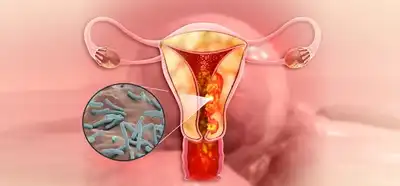
What is the Genital Tuberculosis?
Genital Tuberculosis is an infection of reproductive organs caused by Mycobacterium tuberculosis bacteria. This type of tuberculosis, brought on by the same bacteria that causes pulmonary or lung TB, affects our reproductive systems. Genital Tuberculosis is extrapulmonary tuberculosis (TB), or TB outside the lungs. Globally, extrapulmonary TB (EPTB) accounts for 27% of all cases, with genitourinary TB being a common type. However, most girls and women have undiagnosed genital TB because they are not symptomatically sick but usually only detects it during an infertility check-up.
Which Symptoms are characteristic for female genital tuberculosis?
Often, genital TB is symptomless. Infertility, however, can occasionally affect those who are attempting to conceive.
Symptoms that may also exist include reliable source:
- Pelvic cramps
- Abnormalities related to menstruation, such as:
- Unusual periods
- Extremely light monthly flow
- Times of unusual terrible pain
- Abnormal discharge from the vagina
- Intense or complicated period
- Missed periods
What causes genital tuberculosis and what are its risk factors?
The same bacteria which results in ordinary TB infections also causes genital TB.
It often emerges most commonly in patients already with TB diseases. These bacteria move from contaminated lung tissue through your bloodstream or lymphatic system to get your reproductive organs where they attach and multiply.
Sexual intercourse without any form of contraception can lead to developing genital TB, although it is less frequent than other ways of transmission through mycobacteria.
In persons who are immunocompromised such as those suffering from HIV, these mycobacteria can become active again outside the lungs. Consequently, a person might be infected with genital tuberculosis much later after the first encounter with the pathogen.
Several factors increase the likelihood of developing genital TB. These include:
- Having regular encounters with individuals who have been diagnosed as TB patients.
- A history of previous TB infection.
- Residing or visiting regions where the disease is found in large numbers (Africa, South Asia).
- If you had AIDS before.
- Poverty stricken areas.
- Trying drugs through intravenous injections.
How is TB diagnosed in the genitalia?
Genital TB diagnosis can be difficult. The illness frequently exhibits no symptoms, so you might not know you have it until you are having problems getting pregnant.
Additionally, there is a chance that genital TB will be confused with other reproductive system disorders including endometriosis or irregular menstruation.
An examination and medical history are the first steps in a doctor’s diagnosis of genital tuberculosis. Any history of tuberculosis, exposure to tuberculosis, or HIV should be disclosed to them.
Additionally, your doctor will likely request a few distinct tests, like:
- Imaging tests (MRI, X-ray, PET scan, ultrasound, MRI) of your reproductive organs and lungs.
- Using a less invasive technique called a laparoscopy, a surgeon can visually inspect and biopsy your pelvic cavity.
- Bacterial cultures to determine the type of bacteria that is harming your reproductive system.
- Interferon-gamma release assay, a blood test, or a tuberculosis skin test can be used to diagnose tuberculosis.
- Blood testing to exclude other medical conditions.
Which tests have been used in the diagnosis of TB genital infection?
Genital TB is usually treated the same way as pulmonary TB. The treatment involves taking a mix of antibiotics for six to nine months.
A physician who treats infectious diseases will probably monitor you if you have tuberculosis. Typically, physicians combine the following medications:
- Isoniazid
- Rifampin
- Pyrazinamide
- Ethambutol
To completely get rid of the germs, you must finish the entire course of antibiotics that your doctor prescribes. Removing TB bacteria is more difficult than most other types of bacteria removal.
Rarely, to cure issues like pus collections (abscesses), doctors may prescribe surgery.
What Side effects from the medication?
In rare cases, side effects such liver damage might result from the antibiotics used to treat tuberculosis. During your treatment regimen, let your doctor know if you have any unexpected or concerning new symptoms, such as:
- Jaundice (skin or eyes that turn yellow)
- Dark urine
- Tan stool
- Vomiting or nausea
- Reduced levels of appetite
- Discomfort in the abdomen
- Exhausted
- Cold and fever
Implications of genital TB
Genital TB left untreated can lead to the following complications:
- Unable to conceive
- Ectopic conception
- Miscarriage
Though less frequent, infertility is nevertheless possible in those with male sex organs.
How does female genital tuberculosis influence fertility?
Uterine tuberculosis, commonly referred to as pelvic TB, is caused by a bacterium that attacks the uterus. This disorder typically affects women during their reproductive cycles and is identified during an infertility screening. According to surveys, two out of ten women experience infertility as a result of uterine TB, with females being more impacted than men. In severe cases, it’s also common to observe the uterine lining becoming thin, which prevents implantation and leads to loss. Blood can carry the tuberculosis bacteria Mycobacterium tuberculosis, which can infect the fallopian tube and other reproductive organs.
How long does treatment for genital tuberculosis typically last?
Taking a mix of antibiotics for six to nine months is part of the treatment. A physician who treats infectious diseases will probably monitor you if you have tuberculosis.
How can you prevent getting genital tuberculosis?
The main ways of preventing genital TB include of:
- Maintaining appropriate respiratory hygiene dependable source, both indoors and outside (e.g., mask wearing, keeping in well-ventilated spaces).
- Keeping distance from those who have been diagnosed with tuberculosis.
- Having safer sexual relations.
- Consulting a physician both before and after visiting a nation with a high TB infection rate.
What is the prognosis for a person suffering from tuberculosis?
If you have tuberculosis and you are treated, your outlook is good, if you have followed directions, taken your medications for as long as you should have and in the way that you were told.
How often should I see my doctor?
If you have been exposed to tuberculosis, you should see your doctor right away. They can help you determine whether to get tested. If you’ve begun to experience symptoms of disease that might indicate you’re infectious, the decision is more urgent. Tuberculosis may be cured, but if it is not treated, it will kill.
Why choose Tender Palm IVF & Fertility Center for Genital Tuberculosis Treatment in Lucknow, India?
Tender Palm IVF & Fertility Center offers the best genital tuberculosis treatment in Lucknow, India. We have an experienced team of fertility specialists and gynaecologists who use modern technology and advanced tools like endoscopy, biopsy, and PCR testing to detect GTB early and treat female fertility conditions such as genital tuberculosis. Our team follows international safety standards and has years of experience treating female infertility. We provide accurate evaluation of underlying causes, personalized treatment plans, and minimally invasive procedures with high success rates at an affordable cost. At Tender Palm IVF & Fertility Center, we ensure safe, effective, and result-oriented treatment for female infertility in Lucknow, India.