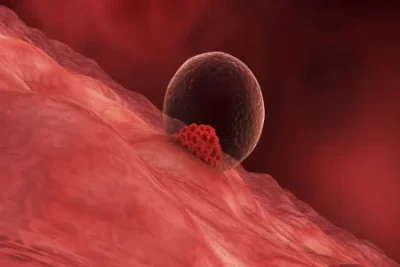
What is Endometrial Receptivity?
The blastocyst receptor can attach appropriately to the endometrium or uterine cavity. It nourishes and maintains the growth of the embryo inside it. The receptivity of the endometrium for accomplishing implantation and maintaining early pregnancy becomes necessary.
If the endometrium has undergone several histological changes with a simultaneous increase in thickness, its receptivity returns to normal.
What is endometrial receptivity genome analysis ERA?
Endometrial Receptivity Analysis (ERA) is a molecular diagnostic technique that determines the endometrium’s receptivity function by examining an endometrial lining biopsy sample and predicts the ideal day to transfer the embryo during an IVF cycle. Using ERA technology, clinicians can customise the optimal timing for transferring an embryo into the uterus by determining the patient-specific window for blastocyst implantation and progesterone dosing before the transfer.
Who should consider undergoing ERA?
Women who are subject to the ERA include:
- Despite the embryos’ high quality, there were some implantation failures during embryo transfers.
- Never conceived before
What is ERA diagnosis used for?
IVF failure results from a lack of this coordination in the process; therefore, it is thought to impact 25% of all patients who experience repeated failed embryo transfers. Individuals undergoing IVF will then have a more significant opportunity to conceive if this window can be more accurately identified, and hence the ERA was developed.
If there is any additional reason to be concerned about a thin uterine lining or if the implantation has failed repeatedly, the test is usually advised. By evaluating the lining with the ERA test, reproductive specialists can determine the optimal day for the embryo transfer process.
Why choose Endometrial Receptivity Analysis?
The sorrow and despair caused by repeated implant failure after so much financial, emotional, and physical effort put forth are just unimaginable. However, the ERA test can give individuals who are having implantation failure or even considering frozen embryo transfer an improved pregnancy outcome. This is to ensure that the ERA test can estimate the window of time during which implantation will probably happen. If you, or someone you know, has inexplicably unsuccessful IVF cycles, please make a consultation with your fertility specialist regarding ERA.
How is ERA performed?
ERA begins with the collection of uterine lining samples from the woman (obtained at a specific period in the cycle) to assess gene expression. This, in turn, provides an indication of whether or not the uterine endometrial lining is sufficiently developed to receive an embryo. The procedure called an endometrial biopsy, is quick and relatively uncomfortable.
An endometrial biopsy involves inserting a thin catheter into the uterus through the cervix. A plunger within the catheter creates suction, which aids in pulling a little sample of tissue (the endometrial lining) into the catheter.
What are the benefits of ERA?
The benefits of ERA include:
- A deeper comprehension of endometrial receptivity
- Optimum embryo transfer timing for IVF cycles
- Improved prospects for successful implantation and pregnancy
- Reduced possibility of repeated miscarriages
What are the potential risks or side effects of ERA?
A low-risk procedure used in many gynaecological aspects is the endometrial biopsy. After the surgery, there is a slight chance of bleeding and infection, and you can have cramps. The risk of uterine perforation is likewise very low. The test can be repeated at no additional cost in the following cycle if the biopsy is deemed insufficient in around 5% of cases or if the tissue is not acceptable for processing. There are no known dangers for the child born as a result of fertility treatment associated with ERA.
Why is endometrial receptivity necessary in fertility treatment?
Endometrial receptivity directly influences an embryo’s capacity to implant and grow in the uterus after fertilisation, making it important in fertility treatments.
The following explains why it’s essential:
- Optimal Environment: In this stage of physiological development, the uterus has an appropriate lining for implantation and support of the embryo. There are implantation-enhancing proteins, hormones and growth factors associated with it.
- Synchronisation: There should be a coincidence between the time of embryo transfer and the opening of the endometrial receptivity window. This is possible because early and late implantation may be inopportune for embryo transplantation.
- Lower Chance of Miscarriage: The health of a pregnancy is determined by whether the endometrium is receptive. As a responsive endometrium is related to a healthy pregnancy, poorly responsive endometrium becomes a risk for early miscarriage.
- Increased IVF Success Rates: ERA testing can help increase the success rate of IVF procedures by determining the ideal window of receptivity.
Understanding and improving endometrial receptivity can increase the chance of a successful pregnancy with fertility specialists.
How much time does it take to find out an ERA diagnosis?
Receiving an ERA diagnosis usually takes two to three weeks.
The timeline is approximately similar, but there might be slight differences based on the exact lab times and other tests included. However, when you set an ERA procedure, most fertility clinics offer you an approximate time frame for the procedure.
Is ERA widely available?
Endometrial receptivity analysis (ERA) is indeed easily accessible. Now, it is a standard diagnostic technique in fertility clinics all over the world. Many fertility experts suggest endometrial receptivity analysis for patients who have had repeated miscarriages or several failed rounds of IVF.
If you’re considering ERA, you must consult a local fertility physician who can discuss your situation and let you know whether this is an appropriate treatment. They can walk you through the process and provide you with additional information about the availability of ERA in your area.
Why Tender Palm IVF & Fertility Center for Endometrial Receptiveness Analysis (ERA) in Lucknow, India?
Tender Palm IVF & Fertility Center offers advanced Endometrial Receptiveness Genome Analysis (ERA) in Lucknow, India to optimize embryo implantation timing. Our fertility specialists use this cutting-edge test to assess the endometrium’s genetic profile and determine the most receptive window for embryo transfer. By personalizing treatment protocols based on ERA results, we improve IVF success rates, especially for patients with recurrent implantation failure. Experience expert care and precision reproductive medicine at Tender Palm.