


Introduction
Severe teeth ache, sensitivity, or a routine dental infection doesn’t always suggest a tooth needs extraction. In many cases, a Root Canal Treatment (RCT) is the suitable solution to alleviate pain, eliminate infection, and preserve the natural tooth. RCT is one of the most common and successful dental strategies globally, offering long-term relief and restoring full function to broken enamel.
Modern advancements have made root canal remedies painless, brief, and predictable. It performs a vital role in preventing tooth loss, fending off extraction, and maintaining the natural alignment of your bite and jawbone health.
What Is Root Canal Treatment?
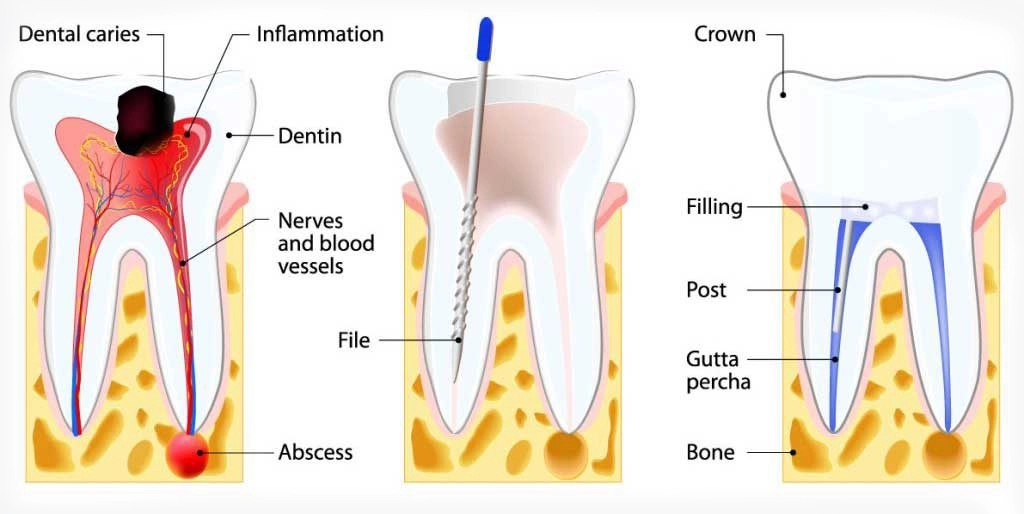
Root Canal Treatment (RCT) is a dental process used to treat infection or inflammation inside the pulp (the innermost tender tissue of the teeth). This pulp incorporates nerves and blood vessels and, whilst broken using decay or trauma, can become inflamed or infected, leading to severe pain, swelling, or even abscess formation.
During an RCT, the infected pulp disappears, the inner chamber gets cleaned and disinfected, and the space is plugged and sealed with a biocompatible fabric. Finally, the tooth gets restored with a crown to shield its structure and repair the complete feature.
When Is Root Canal Treatment Needed?
A root canal may be necessary in case you experience:-
- Severe or chronic toothache
- Pain while chewing or using strain
- Prolonged sensitivity to warm or cold
- Swelling in the gums near the enamel
- Darkening or discolouration of the tooth
- A recurring pimple or bump on the gums (abscess)
These signs often indicate deep infection or damage to the pulp, which, if untreated, can cause tooth loss or spread of disease.
Causes of Pulp Damage Requiring RCT
Causes of Pulp Damage Requiring RCT
- Deep dental decay (untreated cavities)
- Cracked or fractured enamel
- Repeated dental techniques on the equal teeth
- Severe gum disorder
- Injury or trauma (even without visible damage)
- Large fillings that reach close to the pulp
The Root Canal Procedure: Step-through-Step
Root Canal Treatment generally includes 1–2 visits and consists of the following steps:-
1. Diagnosis and Imaging
The dentist performs a medical exam and takes X-rays to assess the extent of harm and form of the root canals.
2. Local Anaesthesia
The affected tooth and surrounding area become numbed to ensure an ache-free experience.
3. Access Opening
A small hole is made at the tooth's surface to access the inflamed pulp chamber.
4. Cleaning and Shaping
The inflamed pulp goes with the use of tiny units, and the canal, which cleans, shapes, and disinfects thoroughly.
5. Filling the Canals
The wiped clean canals contain a rubber-like cloth called gutta-percha seal, which prevents future contamination.
6. Tooth Restoration
The enamel seal quickly or permanently. A dental crown, generally placed, reinforces and protects the enamel from fractures.
Advantages of Root Canal Treatment
- Relieves pain and infection
- Preserves your herbal tooth
- Prevents the spreading of infection to adjacent enamel
- Restores the full chewing feature
- Maintains natural jaw alignment and chew
- Cost-effective in comparison to tooth extraction and implant substitutes
Is Root Canal Treatment Painful?
Modern root canal strategies are painless, with most sufferers reporting comfort instead of soreness. The technique is comfortable, minimally invasive, and uses superior anaesthetics and dental equipment. Post-remedy discomfort may also arise for a few days, without difficulty controlled with over-the-counter medicines.
Aftercare and Recovery
Post-process care is essential to ensure restoration and long-term fulfilment:-
- Avoid chewing tough meals on the treated teeth until it permanently restores.
- Maintain excellent oral hygiene (brushing, flossing, rinsing).
- Take prescribed antibiotics or painkillers, if cautioned.
- Visit your dentist for follow-up and everlasting crown placement.
- With a root canal treatment, a tooth may last a lifetime with proper care.
Alternatives to Root Canal Treatment
If a root canal doesn't happen, the number one alternative is enamel extraction. However, extraction ends in:-
- Loss of chewing feature
- Shifting of the surrounding enamel
- There is a need for alternative options like implants, bridges, or dentures.
- Higher standard price and longer recovery
- Therefore, RCT is usually the most conservative and preferred method.
Why Choose Tender Palm Dental Hospital for Root Canal Treatment?
At Tender Palm Dental Hospital, Gomtinagar, we offer specific, painless, and advanced root canal therapy using present-day tools like apex locators, rotary gadgets, and virtual X-rays. Our crew of remarkably experienced endodontists guarantees successful treatment results with maximum comfort.
Why patients select us:-
- Specialised endodontists and microscopic-assisted RCT
- Digital diagnostics for accurate planning
- Single-sitting root canals for eligible cases
- Painless approaches with advanced anaesthesia strategies
- High-quality materials for long-lasting consequences
- On-site crown fabrication and publish-treatment care
Our cognisance is on saving your natural teeth whenever feasible. Trust us to relieve your dental ache and restore complete function with international-elegance root canal therapy in an expert, hygienic, and patient-friendly environment.
May I Help You.
Our Expert

Our Expert

To Schedule an Expert Consultation for Dental Treatment in Lucknow, India
contact@tenderpalmdental.com
 Request a Callback